Minor updates break clients 94% of the time, while version upgrades cause issues 95% of the time, according to Endor Labs researchers.


Minor updates break clients 94% of the time, while version upgrades cause issues 95% of the time, according to Endor Labs researchers.

A Mark of the Web security alert vulnerability and three others have been exploited in the wild and are now covered by Redmond’s monthly patch batch.
Microsoft has been on the warpath against legacy Office features that are providing entry points for bad actors since 2018.

Discover the difference between types of IVR testing tools, ensuring optimal performance and security for your business phone system. Plus, we’ll show you when to DIY or call in the pros.
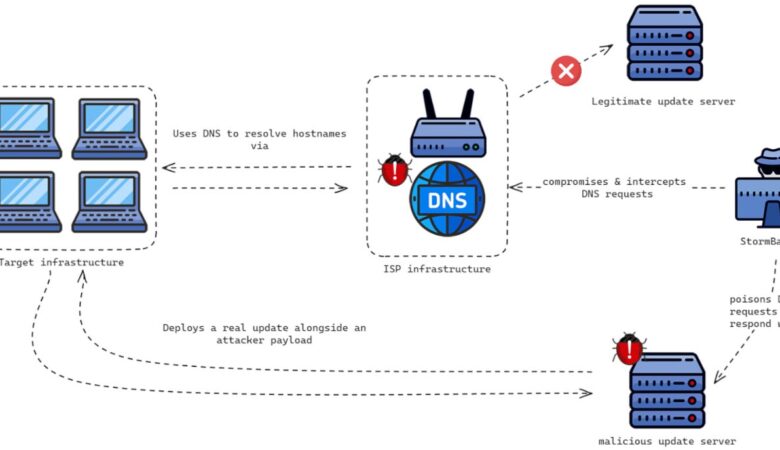
Read more about a China-aligned cyberespionage threat actor dubbed StormBamboo, also known as Evasive Panda, which compromised an Internet Service Provider and infected targets with malware.
Company devices which are hooked to the internet can involve both internal and external connections. These internet resources can be web servers, email servers, proxy servers, routers, FTP servers or any other public-facing device which performs a service or function. Because these resources are both generally critical for company operations and especially vulnerable to risks, …

SentinelOne Singularity and Microsoft Defender for Endpoint are among the top CrowdStrike alternatives to consider following the recent IT outage in July.
SELinux stands for Security-Enhanced Linux. It is a Linux kernel security model that provides a hardened set of access control security policies for the Linux operating system. SELinux tends to get a bad rap, because it often seems to go out of its way to prevent legitimate applications from working. This guide, created by Jack …

Samsung’s next generation of foldable phones, Galaxy Z Fold6 and Galaxy Z Flip6, will include AI-powered note-taking features. At this Unpacked event, Samsung also showed new Galaxy watches and earbuds.
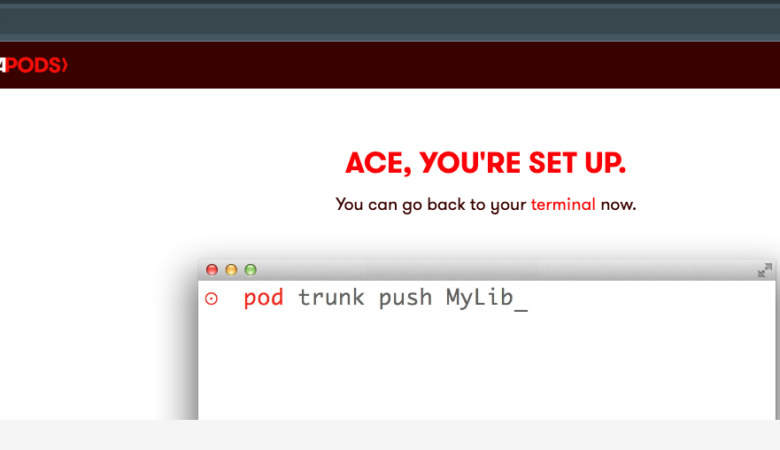
The vulnerabilities have since been patched, but had quietly persisted since the CocoaPods migration in 2014.