By What is a CSR (Certificate Signing Request)? A CSR (Certificate Signing Request) is a specially formatted encrypted message sent […]

By What is a CSR (Certificate Signing Request)? A CSR (Certificate Signing Request) is a specially formatted encrypted message sent […]
How to become a digital forensic analyst

f you consider your participation in social media and changing ringtones on your phone as achievable, what makes pursuing a career in computer sciences different? Moreover, if you binge watch investigative dramas like CSI, then welcome to digital forensics. Try looking up DFIR (Digital Forensics, Incident Response). As you learn more, you’ll see just how different the roles have developed between DF and IR, but that means you get to choose your own adventure.
Discover the latest updates to the SANS New to Cyber Field Manual, including new sections on job search tips and career path design. Learn how this comprehensive guide can help you unlock your potential and succeed in the cybersecurity industry.
What is three-factor authentication (3FA)? Three-factor authentication (3FA) is the use of identity-confirming credentials from three separate categories of authentication […]
In February 2023, the grad school admissions search website TheGradCafe suffered a data breach that disclosed the personal records of 310k users. The data included email addresses, names and usernames, genders, geographic locations and passwords stored as bcrypt hashes. Some records also included physical address, phone number and date of birth. TheGradCafe did not respond to multiple attempts to disclose the breach.
What is role-based access control (RBAC)? Role-based access control (RBAC) is a method of restricting network access based on the […]
In digital forensics, the highlights come from the cases where incident response teams have proven that the threat actors were caught red-handed. Without a shadow of a doubt, national attention was captured by the biggest firm finding the biggest threat. Those are lofty heights to delve into for new individuals searching for cyber threats and joining the world of digital forensics. It sets what feels like an insurmountable goal for individuals who want to be in the field, join the team or be in the band.
You will need to renew your SSAP every four years, a process we’ve worked hard to keep as simple as possible to ensure it helps you grow your career.
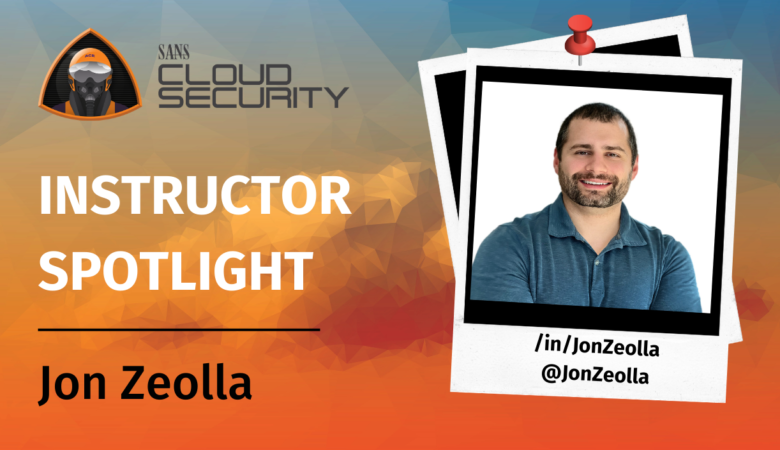
Get to know Jon Zeolla, instructor for SEC540: Cloud Security and DevSecOps Automation