A blog about similar cloud and on-prem attacks.

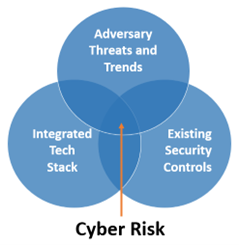
While there is no magic bullet solution on how to answer a question about emerging technologies and threat trends, this first blog post hopefully provided some insights and perhaps starting points on the various dimensions to consider when starting your research.

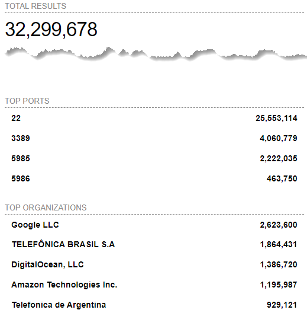
Most security professionals enter the field with more experience on Windows than they do on Linux. As a result, there is a gap in their understanding of how to mitigate risks on Linux. Many individuals are self-taught in Linux security practices and only have fragmented understanding of how to secure systems effectively.
In July 2016, now defunct website Kaneva, the service to “build and explore virtual worlds”, suffered a data breach that exposed 3.9M user records. The data included email addresses, usernames, dates of birth and salted MD5 password hashes.
In February 2021, the Indian streaming platform Gemplex suffered a data breach that exposed 4.6M user accounts. The impacted data included device information, names, phone numbers, email addresses and bcrypt password hashes.
In December 2022, the Movie Forums website suffered a data breach that affected 40k users. The breach exposed email and IP addresses, usernames, dates of birth and passwords stored as easily crackable salted MD5 hashes. The data was subsequently posted a popular clear web hacking forum.
In December 2019, the forum for the JoyGames website suffered a data breach that exposed 4.5M unique email addresses. The impacted data also included usernames, IP addresses and salted MD5 password hashes.
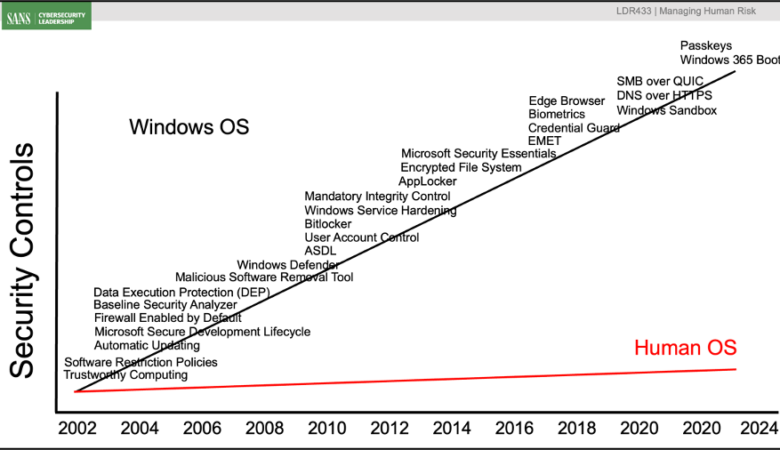
A blog about AI’s ability to analyze many forms of data
What is an advanced persistent threat (APT)? An advanced persistent threat (APT) is a prolonged and targeted cyber attack in […]
This is the fourth in a 4-part series of blogs covering the end-to-end aspects of zero trust.