For Amazon Web Services, closing cybersecurity skills gaps requires outside-the-box thinking.

For Amazon Web Services, closing cybersecurity skills gaps requires outside-the-box thinking.
A blog about malware techniques and tactics.
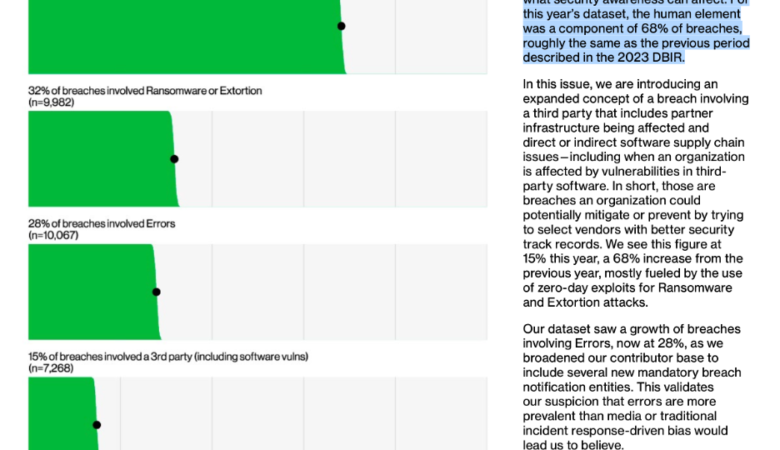
The Verizon Data Breach Incident Report (VZ DBIR) is one of the security industries most respected annual reports on risk.
By What is out-of-band authentication? Out-of-band authentication is a type of two-factor authentication (2FA) that requires a secondary verification method […]

A blog about the five most dangerous attack techniques of 2024.
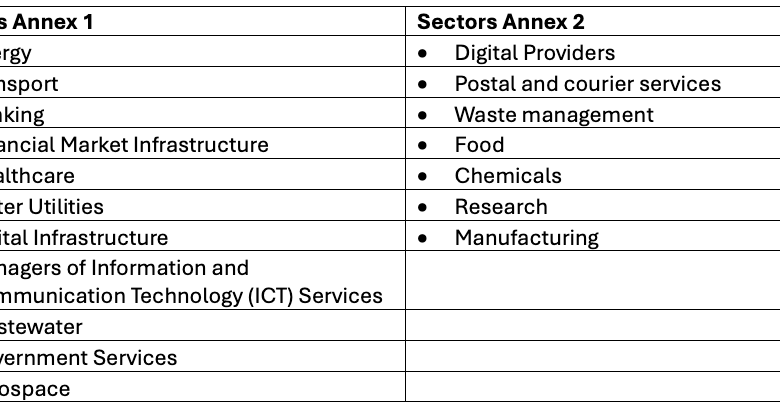
A blog about the challenges and opportunities of NIS2 compliance.
What is Patch Tuesday? Patch Tuesday is the commonly known name of Microsoft’s monthly release of security fixes for the Windows operating […]
In May 2024, the conservative news website The Post Millennial suffered a data breach. The breach resulted in the defacement of the website and links posted to 3 different corpuses of data including hundreds of writers and editors (IP, physical address and email exposed), tens of thousands of subscribers to the site (name, email, username, phone and plain text password exposed), and tens of millions of email addresses from several thousand mailing lists alleged to have been used by The Post Millennial (this has not been independently verified). The mailing lists appear to be sourced from various campaigns not necessarily run by The Post Millennial and contain a variety of different personal attributes including name, phone and physical address (depending on the campaign). The data was subsequently posted to a popular hacking forum and extensively torrented.
Whether you consider its impact to cybersecurity, business, broader technology, or society at large, AI will be disruptive in the years to come.
In April 2024, a substantial volume of data was taken from the Bangladeshi IT services provider Tappware and published to a popular hacking forum. Comprising of 95k unique email addresses, the data also included extensive labour information on local citizens including names, physical addresses, job titles, dates of birth, genders and scans of government issued national identity (NID) cards.