Ransomware attacks on infrastructure and mid-market businesses are tipped to rise, while the use of AI cyber tools will grow as IT customers seek more signal and less noise from vendors.


Ransomware attacks on infrastructure and mid-market businesses are tipped to rise, while the use of AI cyber tools will grow as IT customers seek more signal and less noise from vendors.

2024 will be a pivotal year for cybersecurity. The global threat landscape is undergoing deep transformations, driven by emerging technologies, new tactics and shifting geopolitical dynamics.
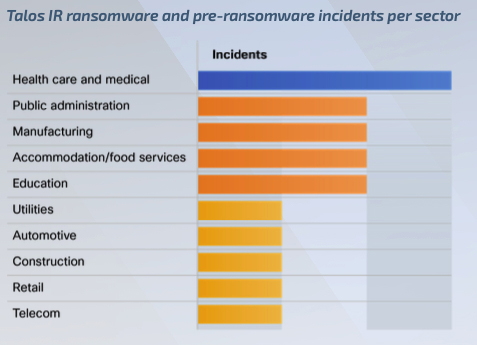
Based on the security researchers’ analysis of the 2023 cyberthreat landscape, we highlight new or heightened risks.
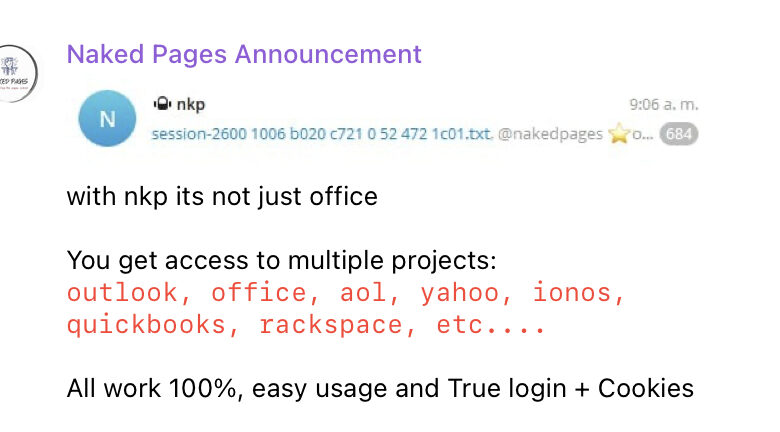
Phishing, infostealer malware, ransomware, supply chain attacks, data breaches and crypto-related attacks are among the top evolving threats in the financial sector, says Sekoia.

SysAid has patched a zero-day vulnerability that could allow attackers to exfiltrate data and launch ransomware.
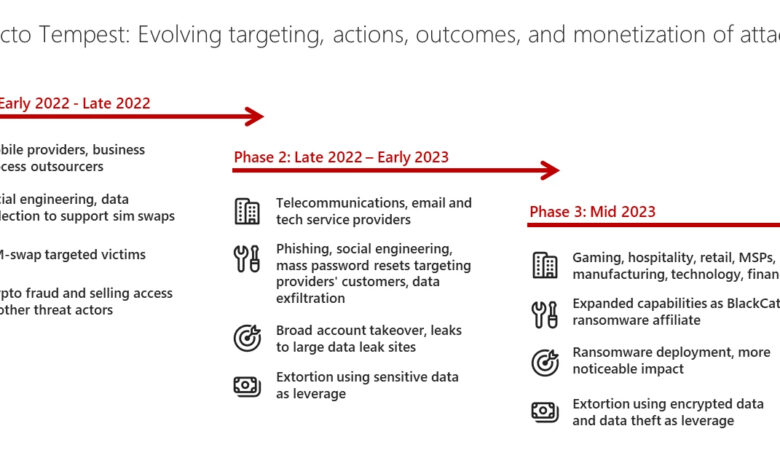
Microsoft exposes Octo Tempest, an English-speaking threat actor that runs extortion, encryption and destruction campaigns at a wide variety of industries. Protect your company from Octo Tempest with these tips.
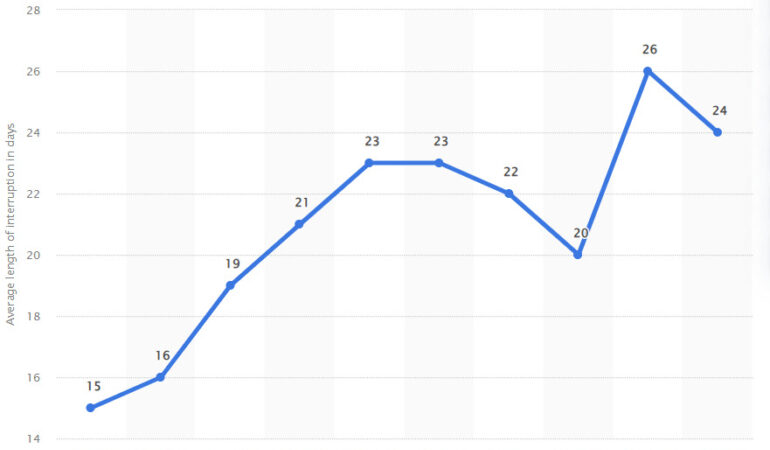
The success of cyber attacks in Australia could make an “assume-breach” approach to cyber security inevitable and cause IT teams to shift their focus to protecting data backups at all costs.

Phones, tablets and workstations with unpatched CVEs are a clear and present danger. New Armis study lists the most vulnerable.

A new study by Critical Insight shows that cybersecurity attacks in the health care sector are hitting more individuals and finding vulnerabilities in third-party partners.

Phishing is so last year: Akamai’s report finds that zero-day and one-day vulnerabilities caused a 143% increase in total ransomware victims.