Rates have declined by 15% since the market peak in 2022, according to Howden Insurance Brokers.
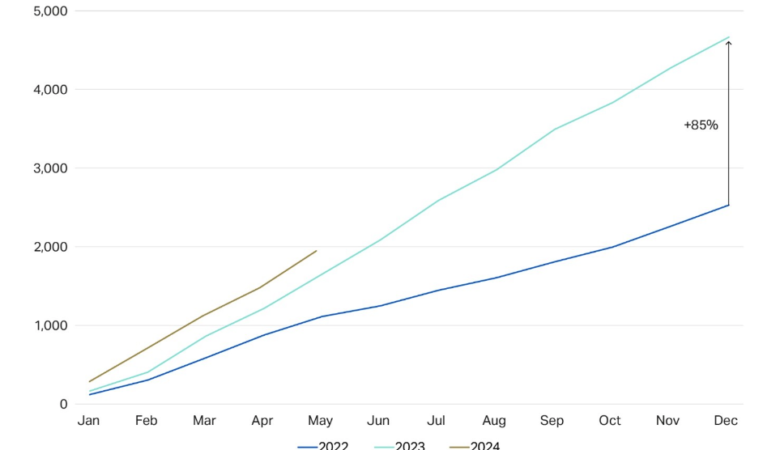

Rates have declined by 15% since the market peak in 2022, according to Howden Insurance Brokers.

Expert insight from our head of security testing As we get deeper into 2024, we felt it was time to sit down with our head of security testing, James Pickard, to talk about what trends in cyber security he’s seeing. He pointed to the rise of AI, and how this is changing cyber security, particularly in terms of social engineering attacks. We also covered other areas, including ransomware trends and how organisations can protect themselves. About James Pickard James is an expert penetration tester – and our head of security testing – with more than a decade in the field.
The post Security Trends for 2024 and Beyond appeared first on IT Governance UK Blog.
Expert insight from our cyber incident responder When talking to clients or taking questions at the end of webinars, many ask us about ransomware. In fact, ransomware is often the first thing people ask about! Organisations seem really worried about it – and understandably so. Ransomware features a lot in the news. A particularly noteworthy attack was MOVEit, which was also a zero-day exploit, but we see plenty of ‘run-of-the-mill’ attacks too. There are even daily ransomware victim feeds! Admittedly, threat actors can and do claim attacks that didn’t happen or are exaggerated. Nonetheless, the risk of a cyber incident
The post Worrying Ransomware Trends, and What to Do About Them appeared first on IT Governance UK Blog.

The authors of the report also say that attendees will “almost certainly” be targeted with Olympics-related phishing schemes.
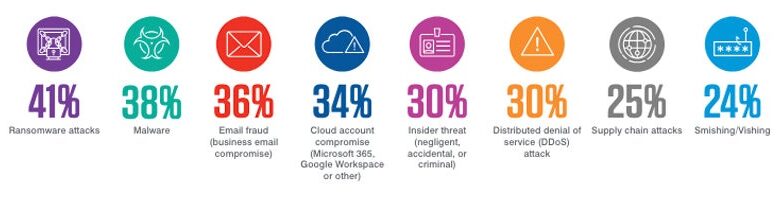
This new report also indicates an increasing attack surface as putting pressure on CISOs. One positive note is CISOs’ improving relationships with board members.
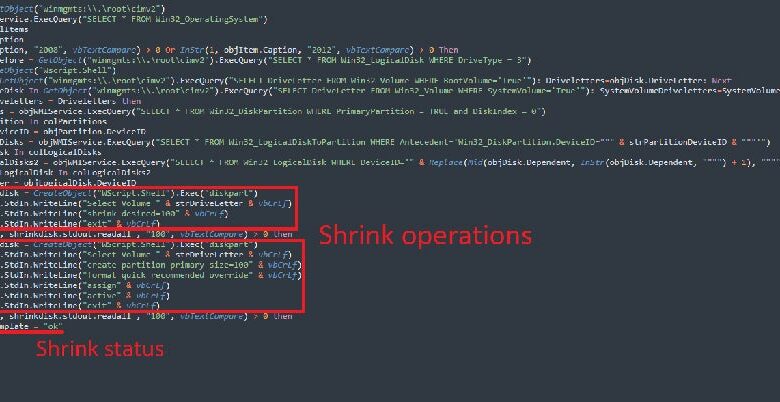
The malware exploits Windows BitLocker to encrypt corporate files.
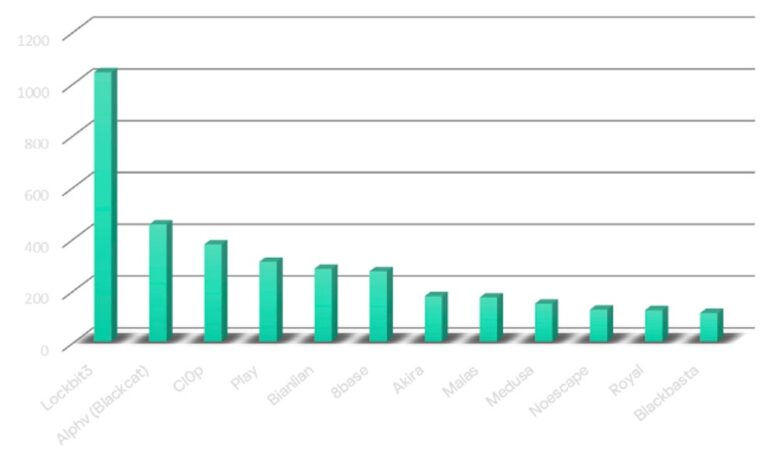
Read about Black Basta ransomware’s impact and how to mitigate it. Plus, learn about recent ransomware trends.

TechRepublic consolidated expert advice on how businesses can defend themselves against the most common cyberthreats, including zero-days, ransomware and deepfakes.
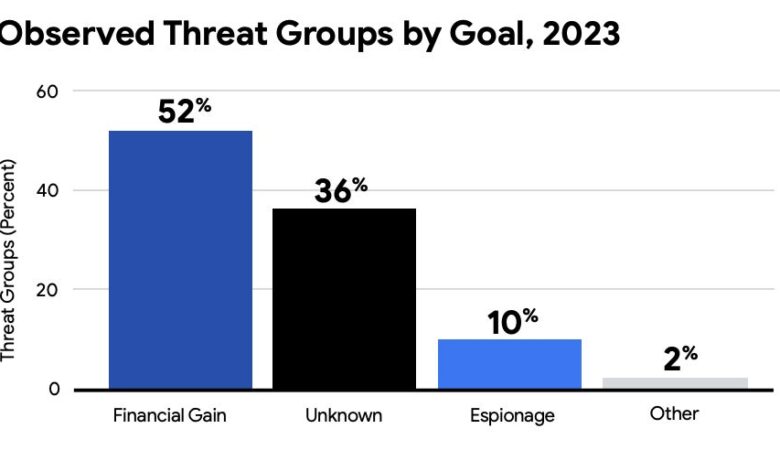
According to the M-Trends report, the average time it takes for an organisation to detect an attacker in their environment has decreased from 16 days in 2022 to 10 days in 2023.
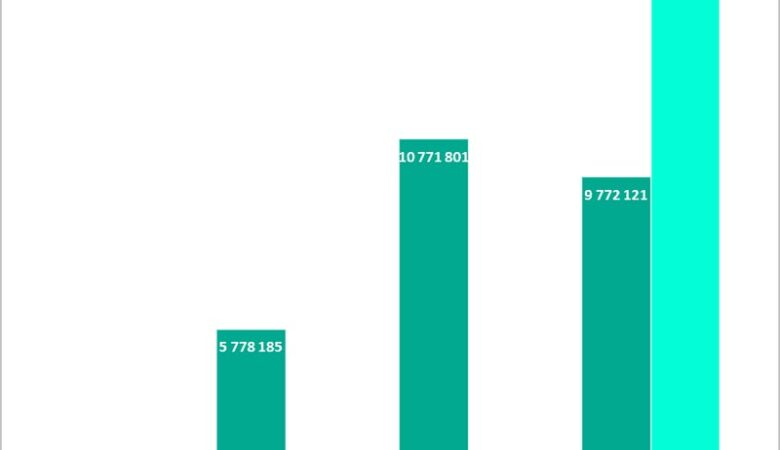
Nearly 10 million devices were infected with data-stealing malware in 2023, with criminals stealing an average of 50.9 credentials per device.