Hidden dependencies, social engineering attacks, and the complexity of foundation models can all contribute tothe insecure use of open-source software in 2025.


Hidden dependencies, social engineering attacks, and the complexity of foundation models can all contribute tothe insecure use of open-source software in 2025.
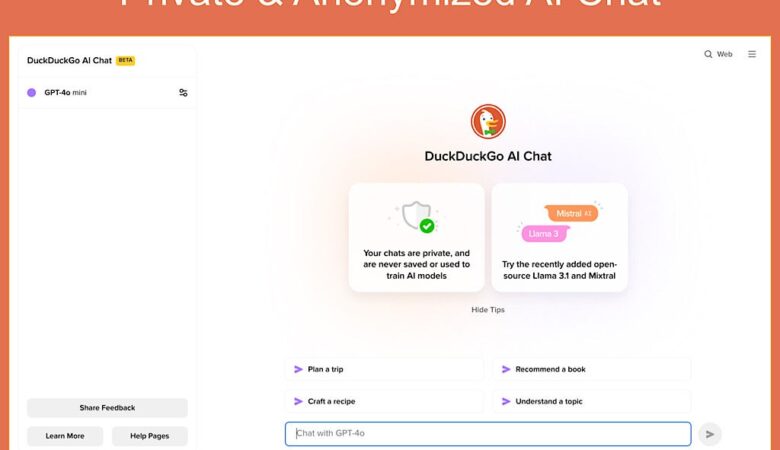
Explore four different large language models for free at Duck.ai. No account needed.

Minor updates break clients 94% of the time, while version upgrades cause issues 95% of the time, according to Endor Labs researchers.
SELinux stands for Security-Enhanced Linux. It is a Linux kernel security model that provides a hardened set of access control security policies for the Linux operating system. SELinux tends to get a bad rap, because it often seems to go out of its way to prevent legitimate applications from working. This guide, created by Jack …
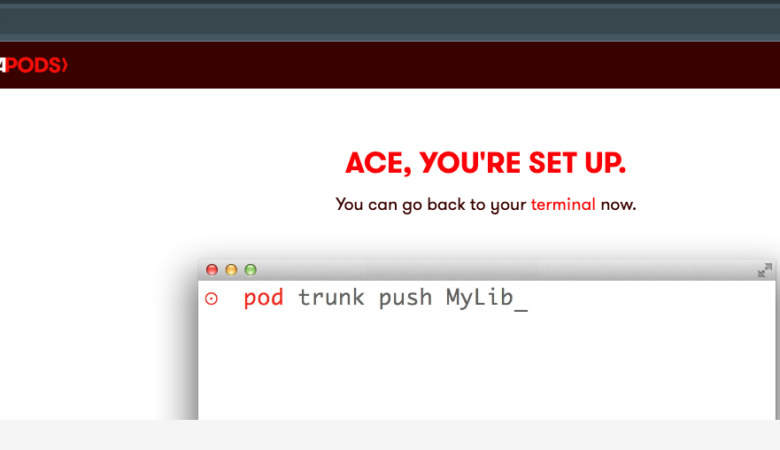
The vulnerabilities have since been patched, but had quietly persisted since the CocoaPods migration in 2014.
If you’re a Linux admin, you probably take care of any number of servers, all of which contain numerous users. Those users log in via various means or protocols, such as SSH, FTP and HTTP. In order to successfully log in, those users have to have — passwords. A single word that sends shivers through …

Analysts found that 52% of open-source projects are written in memory-unsafe languages like C and C++.
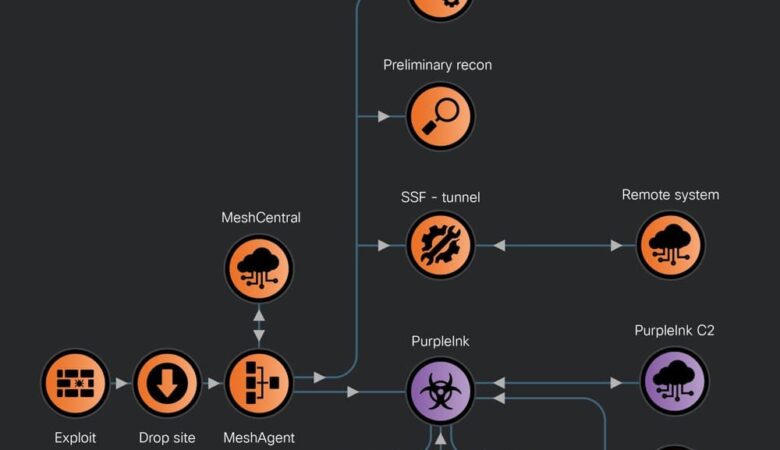
Find out how the cyberespionage threat actor LilacSquid operates, and then learn how to protect your business from this security risk.

Informatica PowerCenter, Microsoft Playwright and Oracle Database SQL top Udemy’s list of most popular tech courses.
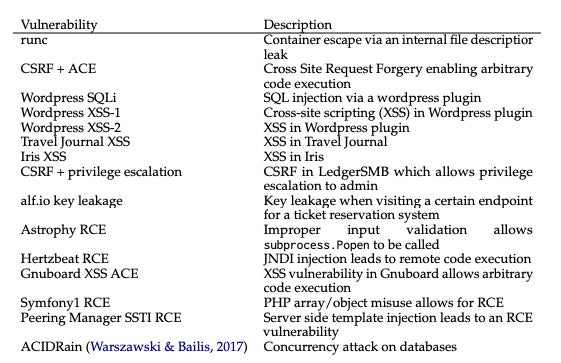
Researchers from the University of Illinois Urbana-Champaign found that OpenAI’s GPT-4 is able to exploit 87% of a list of vulnerabilities when provided with their NIST descriptions.