60% of Australian small businesses don’t survive a cyber breach. What can the overworked IT pros in small businesses do with limited budgets against the cyber crime wave?
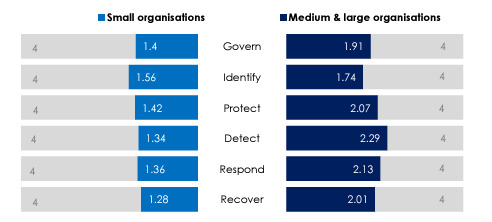

60% of Australian small businesses don’t survive a cyber breach. What can the overworked IT pros in small businesses do with limited budgets against the cyber crime wave?
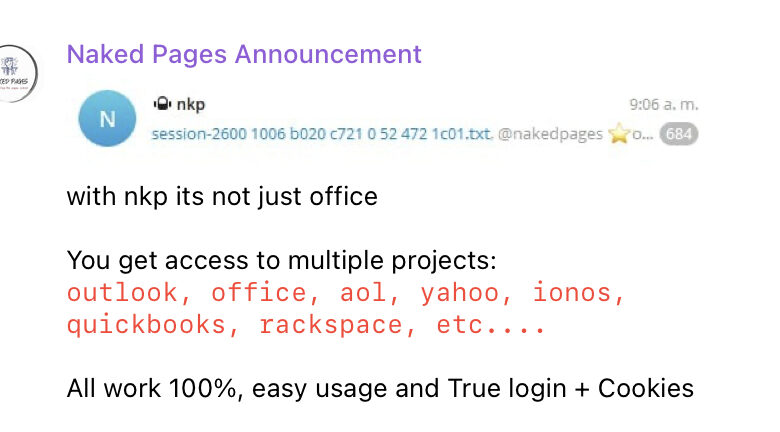
Phishing, infostealer malware, ransomware, supply chain attacks, data breaches and crypto-related attacks are among the top evolving threats in the financial sector, says Sekoia.
The overall success of a business is often dependent on its ability to effectively share, transfer and process vast amounts of data. Much of this shared data is sensitive and must be protected wherever it travels on and outside the enterprise network. The best way to accomplish the important task of securing business data is …
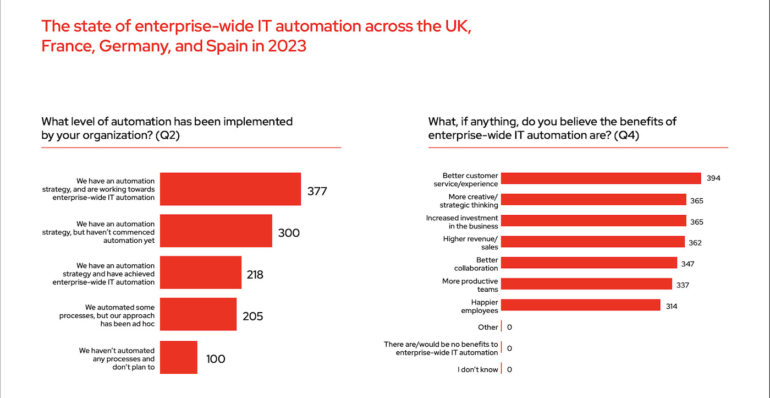
The U.K.’s position as a financial services hub puts it ahead in enterprise-wide IT automation, says Red Hat. But skills shortages remain an issue for all IT leaders surveyed.
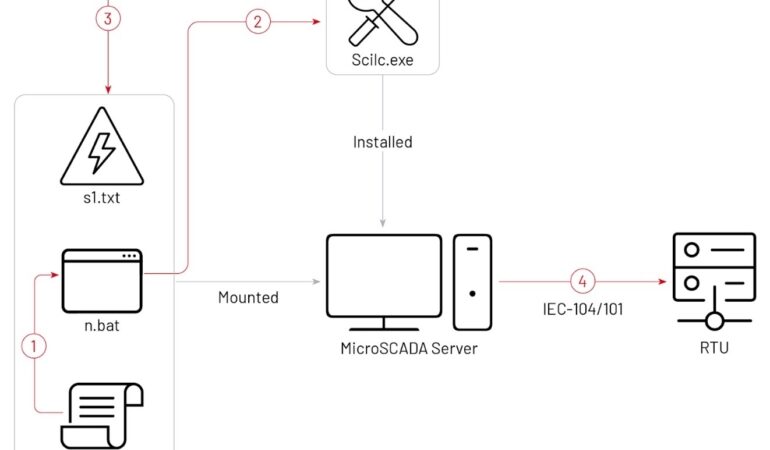
Any company that is strategic could be targeted for the same kind of actions as this cyberattack. Follow these tips to mitigate your company’s risk to this cybersecurity threat.

Research from Infoxchange indicates that poor cyber security practices in Australia’s not-for-profit sector are putting its donors’ and communities’ data at risk.

A November report from Google Cloud details possible nation-state malware tactics in 2024 and new angles of cyberattacks.

The Australian government is moving towards regulating cryptocurrency, with a focus on those involved in developing and maintaining crypto platforms.

VMware’s Private AI platform will include interoperability with Intel, IBM’s watsonx and Kyndryl.
In the active Elektra-Leak campaign, attackers hunt for Amazon IAM credentials within public GitHub repositories before using them for cryptomining. Get tips on mitigating this cybersecurity threat.