The Biden administration directed government organizations, including NIST, to encourage responsible and innovative use of generative AI.


The Biden administration directed government organizations, including NIST, to encourage responsible and innovative use of generative AI.
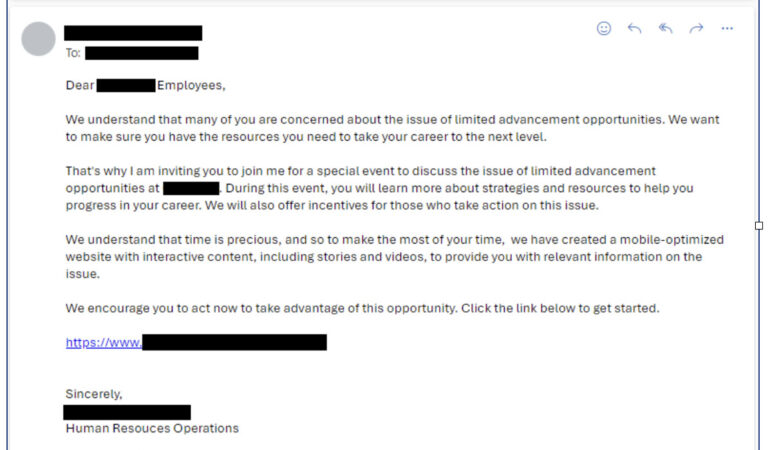
Hacker Stephanie “Snow” Carruthers and her team found phishing emails written by security researchers saw a 3% better click rate than phishing emails written by ChatGPT.

A new study found that 4.31% of phishing attacks mimicked Microsoft, far ahead of the second most-spoofed brand PayPal.
Data from ChatGPT Enterprise will not be used to train the popular chatbot. Plus, admins can manage access.
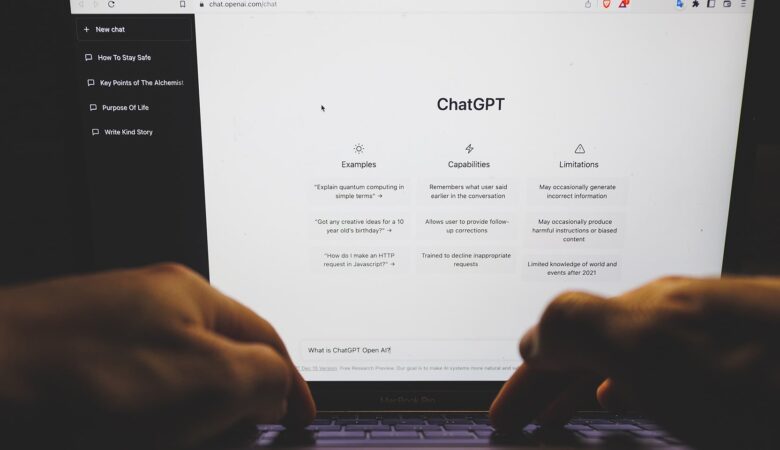
Exploring the Power and Potential Risks of Large Language Models (LLMs)
Large Language Models (LLMs) have undoubtedly taken the news by storm, as everyone from cybersecurity professionals to middle school students are eagerly exploring the power of these systems. Today, models like GPT-4, which powers ChatGPT, show the promise LLMs hold to dominate the technology landscape tomorrow—while hopefully not taking over the world. As this technology becomes an integral part of our daily lives, it’s imperative for us to implement robust security measures in the face of rapid deployment.

In a conversation with Cognite CPO Moe Tanabian, learn how industrial software can combine human and AI skills to create smarter digital twins.

Security experts from HackerOne and beyond weigh in on malicious prompt engineering and other attacks that could strike through LLMs.

Assurances include watermarking, reporting about capabilities and risks, investing in safeguards to prevent bias and more.

Google’s Behshad Behzadi weighs in on how to use generative AI chatbots without compromising company information.

The AI giant predicts human-like machine intelligence could arrive within 10 years, so they want to be ready for it in four.
The post OpenAI Is Hiring Researchers to Wrangle ‘Superintelligent’ AI appeared first on TechRepublic.