OpenAI’s GPT-5 aims to curb AI hallucinations and deception, raising key questions about trust, safety, and transparency in large language model assistants.


OpenAI’s GPT-5 aims to curb AI hallucinations and deception, raising key questions about trust, safety, and transparency in large language model assistants.

This $20 bundle offers lifetime access to AI and cybersecurity training for businesses, startups, and pros.

Anthropic’s Claude Code now features continuous AI security reviews, spotting vulnerabilities in real time to keep unsafe code from reaching production.
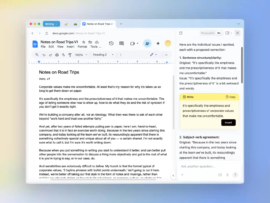
Dia, an AI-powered browser from The Browser Company, launches a $20 Pro plan billed as “unlimited” AI access, but subject to Terms that can curb heavy use.

TechnologyAdvice’s Matt Gonzales interviewed cyber experts at Black Hat 25 about the topics they’re watching most closely. The topics include AI, deepfakes, and human error.

Project Ire is Microsoft’s autonomous AI that reverse engineers software to detect malware without prior knowledge or human intervention.

From prank viruses to profit-driven cybercrime, Mikko Hypponen explains how today’s malware is targeted, professional, and all about money.
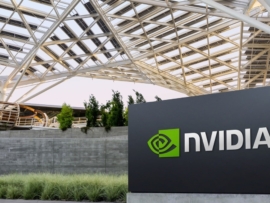
The statement comes as both US and Chinese authorities probe the lucrative global AI chip business, which NVIDIA dominates.

Claude Opus 4.1 scores 74.5% on the SWE-bench Verified benchmark, indicating major improvements in real-world programming, bug detection, and agent-like problem solving.

AI prevented real-world cyberattacks before they began. Can AI continue to beat human threat actors to zero-day vulnerabilities?