Businesses in China, the U.K. and the U.S. are using generative AI more than Australia. But the Aussies lead in understanding, planning for, and implementing generative AI use policies.
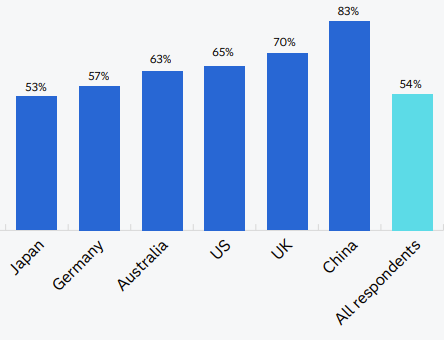

Businesses in China, the U.K. and the U.S. are using generative AI more than Australia. But the Aussies lead in understanding, planning for, and implementing generative AI use policies.

The hybrid multicloud strategies that many Australian enterprises have adopted over the last decade could be made more complex by new AI applications. The only solutions could be rationalisation or an abstraction layer.
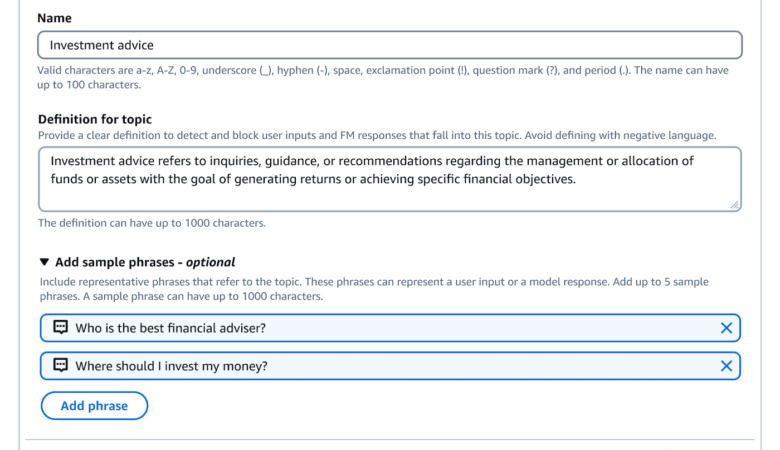
Responsible AI Lead Diya Wynn spoke to TechRepublic about AI hallucinations and upskilling.
Last year, hackers breached an online forum used by OpenAI employees and stole confidential information about the firm’s AI systems.

Both the promise and the risk of “human-level” AI has always been part of OpenAI’s makeup. What should business leaders take away from this letter?

Major breakthroughs were made in global nations’ AI safety commitments, AI safety institutes, research grants and AI risk thresholds at this month’s AI Seoul Summit.
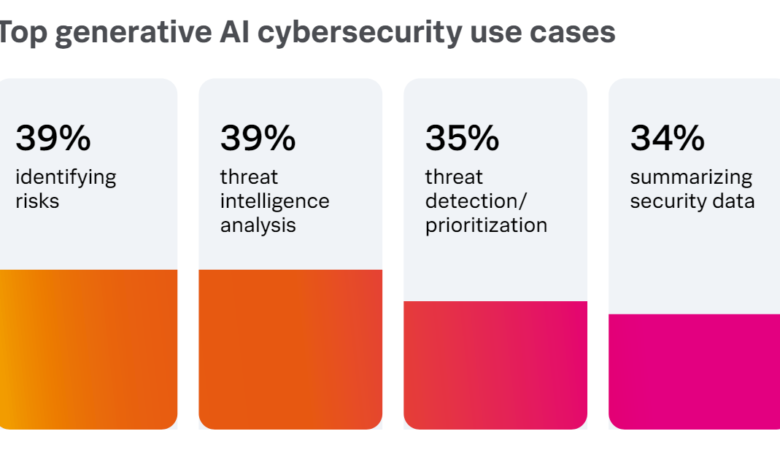
Cisco’s Splunk acquisition was finalised in March 2024. Splunk’s Craig Bates says the combined offering could enhance observability and put data to work for security professionals in an age of AI threat defence.

TechRepublic consolidated expert advice on how businesses can defend themselves against the most common cyberthreats, including zero-days, ransomware and deepfakes.
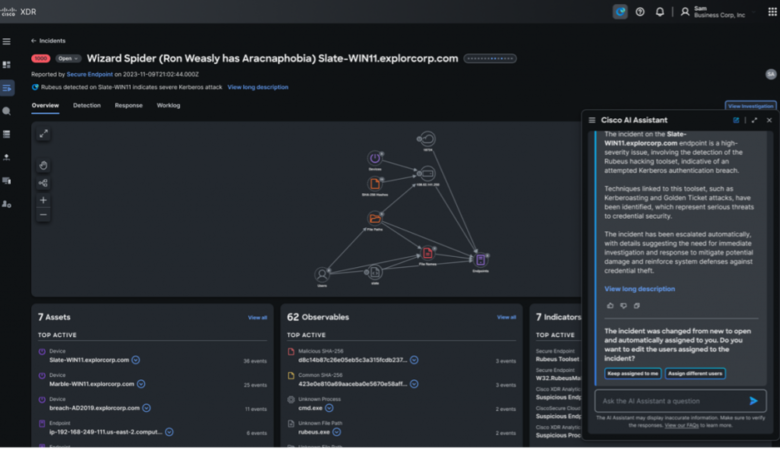
Learn how the Cisco AI Assistant in XDR adds powerful functionality to Cisco XDR that increases defenders efficiency and accuracy.
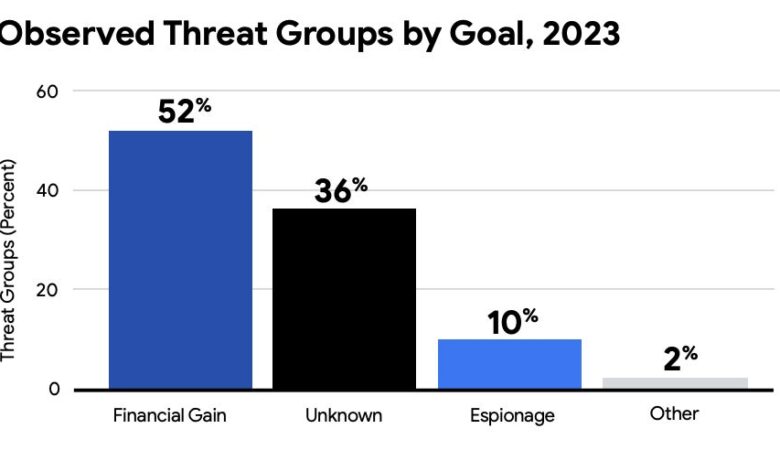
According to the M-Trends report, the average time it takes for an organisation to detect an attacker in their environment has decreased from 16 days in 2022 to 10 days in 2023.